
IMPOS – Point of Sale & Doshii Platform
Reimagining point of sale for modern hospitality by moving from legacy on-premise systems to a software-first, native mobile experience.
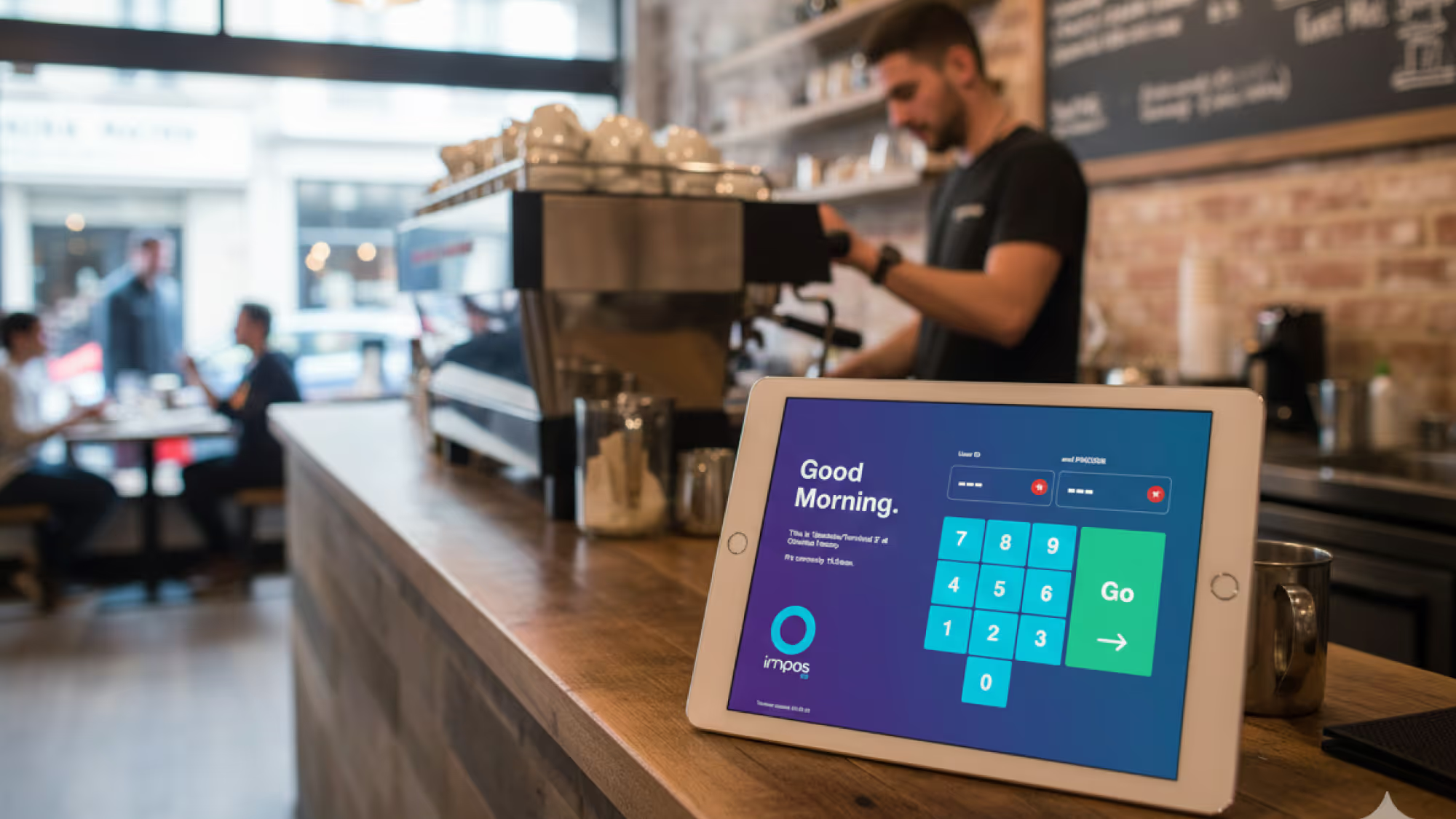
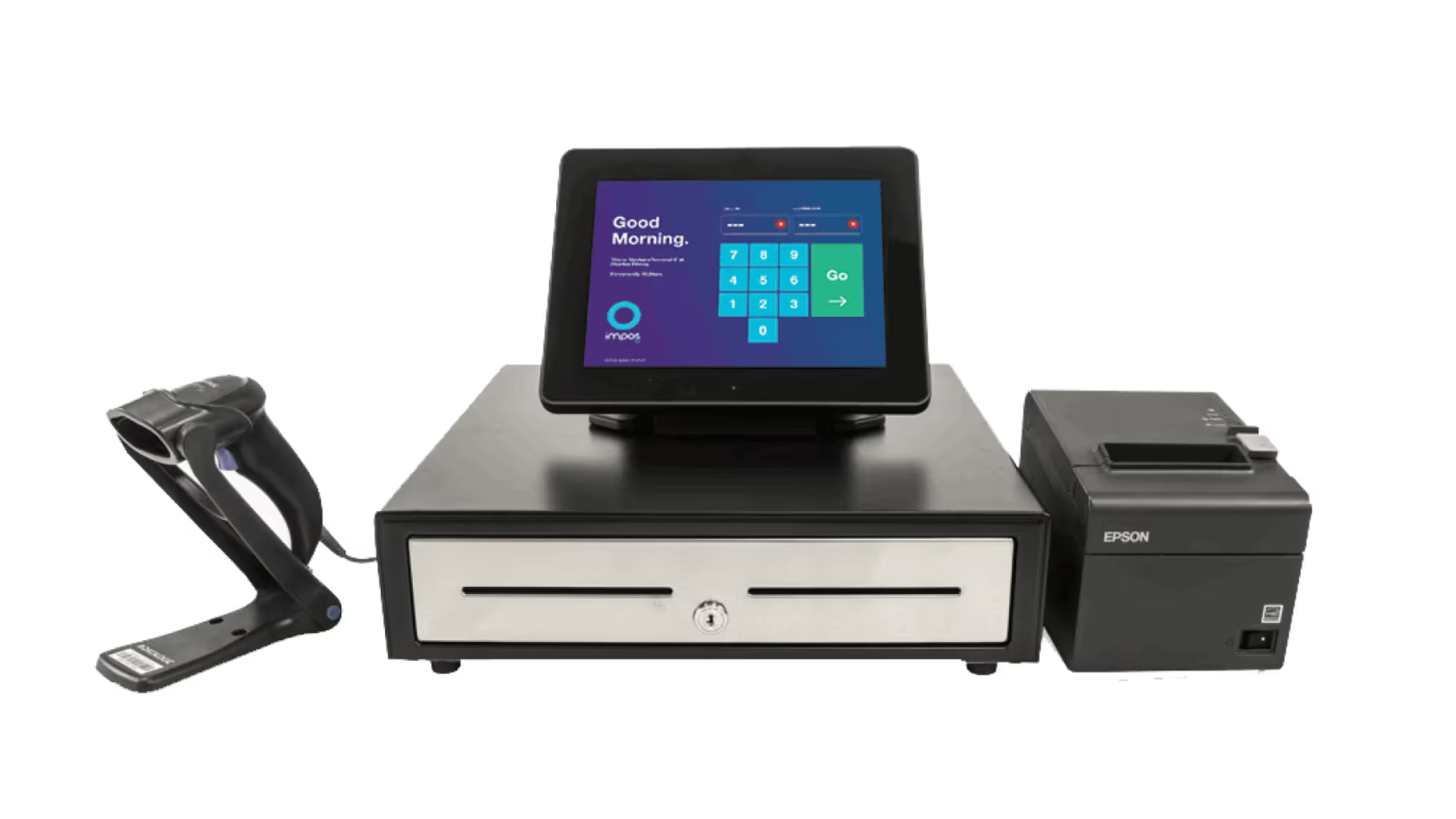
IMPOS is a leading Australian hospitality POS provider, trusted by premium venues for over 20 years. The business faced increasing pressure from newer, cloud-first competitors while maintaining a legacy product reliant on expensive hardware and on-premise infrastructure. As product design lead, I helped shape the transition toward a native iPad POS experience built for modern service environments and fast-moving hospitality workflows.
Deliverables: User Research, Product Strategy, UX & UI Design, Prototyping, Feature Validation, Stakeholder Workshops
Project Type: Native iOS App, B2B SaaS, Hospitality Technology, Payments & POS
Team: Product Design Lead (me), Product Manager, Engineers, Commercial Stakeholders
Business goal
IMPOS wanted to future-proof its position as a premium hospitality POS provider by moving away from legacy hardware-heavy deployments toward a software-first model. The goal was to reduce customer infrastructure costs, simplify deployment, and deliver a modern, reliable experience that could compete with emerging cloud-native POS providers.
A key strategic ambition was to create a platform that could support the rapidly evolving digital ordering ecosystem, particularly as food delivery platforms began reshaping hospitality operations across Australia.
User goal
Hospitality owners and staff were dealing with slow, inflexible systems that created friction during busy service periods. The new experience needed to:
- Work reliably during peak service pressure.
- Be intuitive enough for casual and seasonal staff to learn quickly.
- Look premium and feel at home in high-end venues.
- Reduce order errors and speed up table service.
- Lower operational overhead and hardware maintenance costs.
Design process
I partnered across disciplines to balance user insight and operational reality, delivering a modern and reliable experience.
01. Field Research & Service Environment Immersion
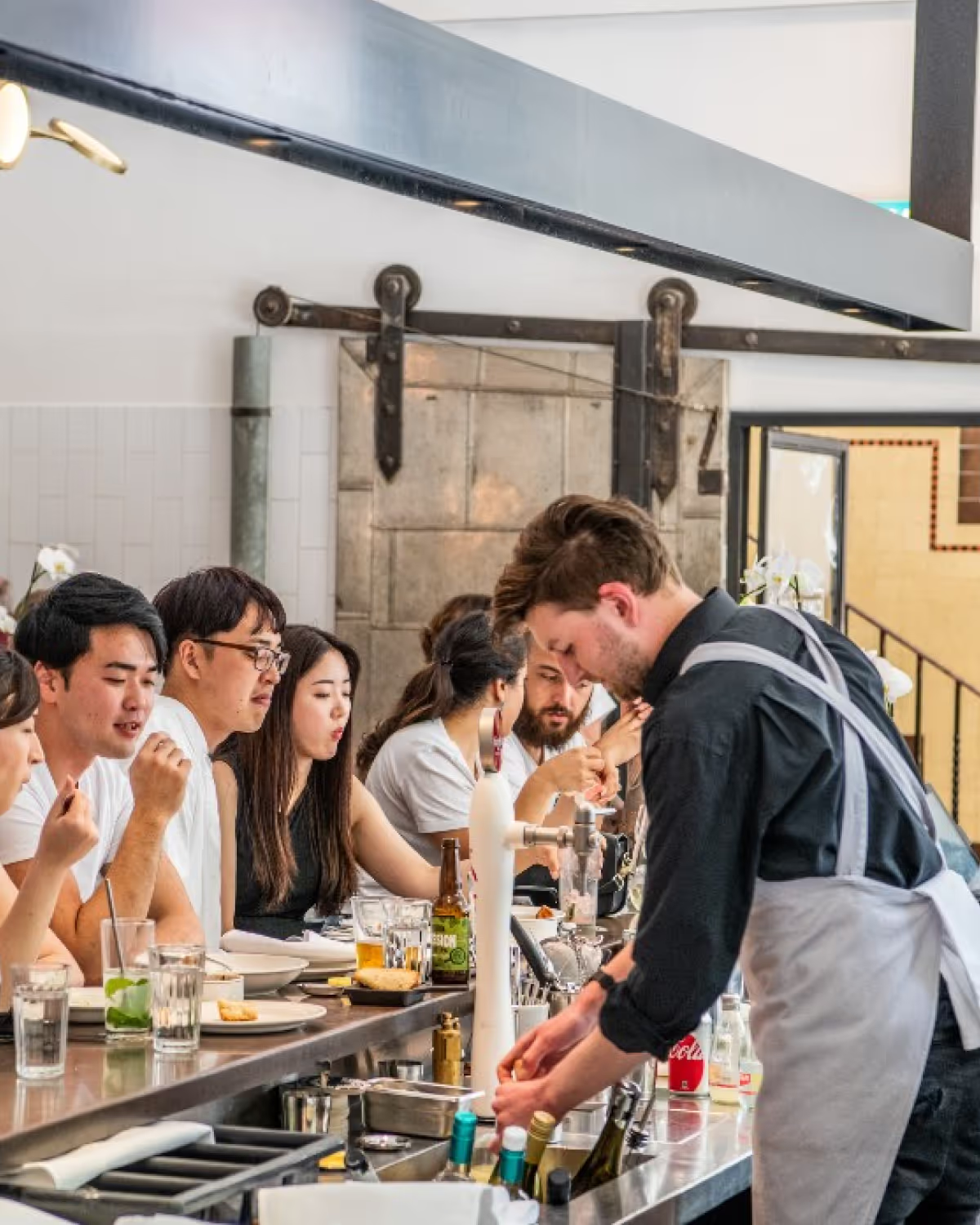
To deeply understand real service pressures, I conducted field research inside the kitchen and service floor of a busy Melbourne restaurant during live dinner service. Observing staff interactions with POS hardware and workflows revealed critical insights around speed, cognitive load, screen visibility, and error recovery during high-stress periods. These insights directly influenced interface hierarchy, touch target sizing, offline resilience, and workflow simplification.

02. Collaborative Validation with Hospitality Staff
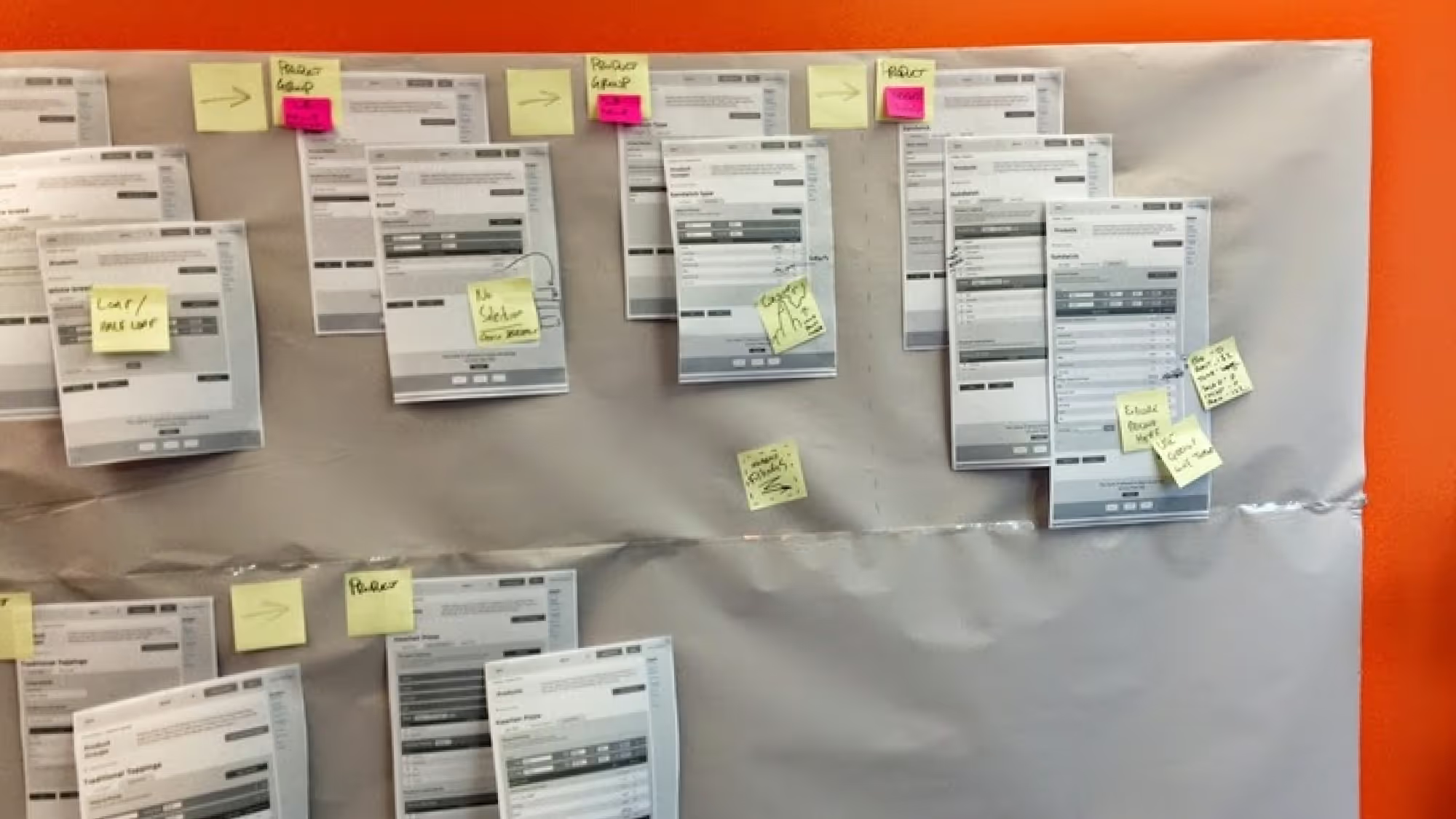
During development, we role-played service scenarios in the office with hospitality owners and staff. We simulated rush periods, order edits, split bills, and payment edge cases to battle test new features before release. This helped ensure the product worked in real-world conditions, not just ideal ones.
03. Native Experience Design
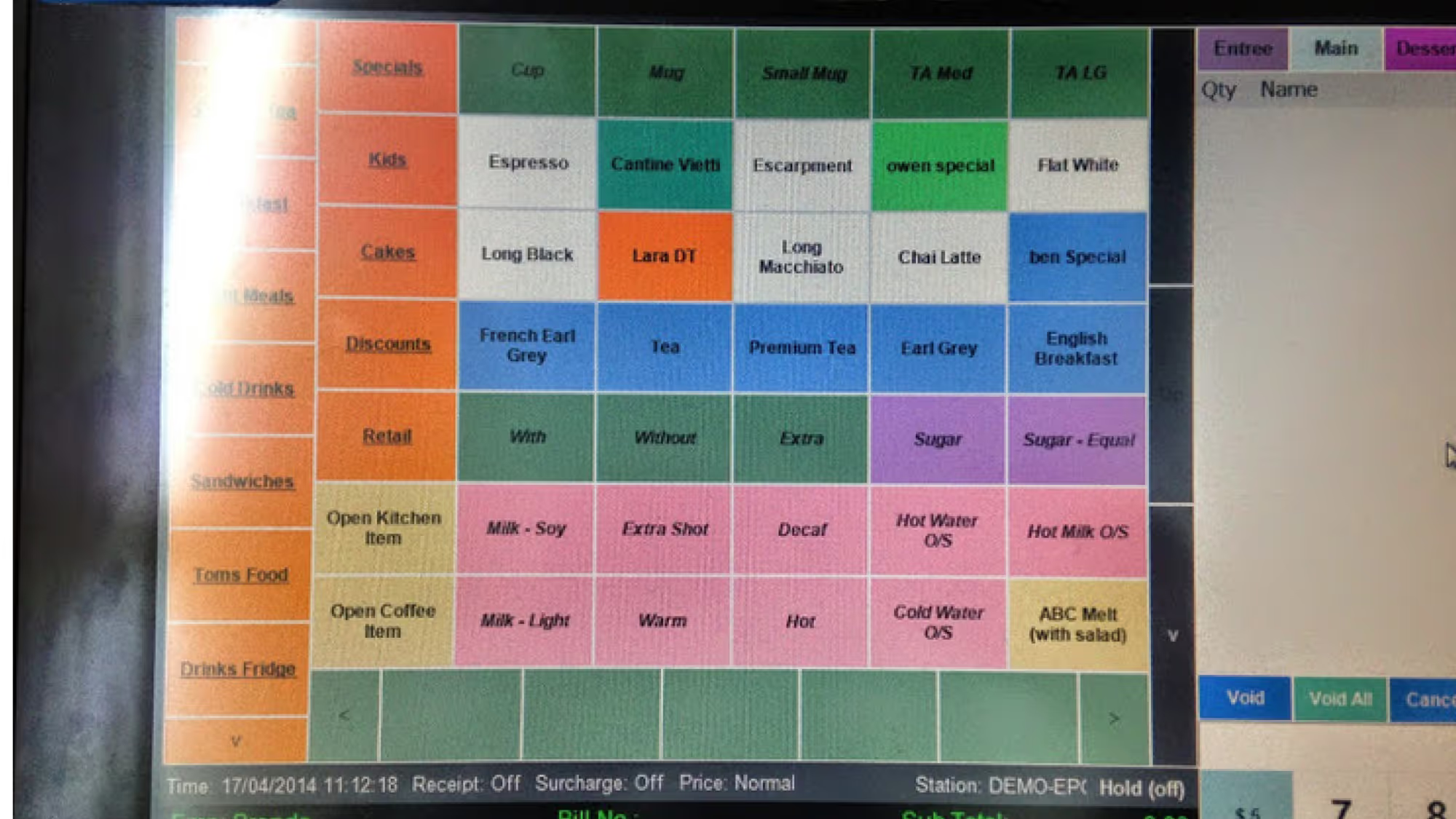
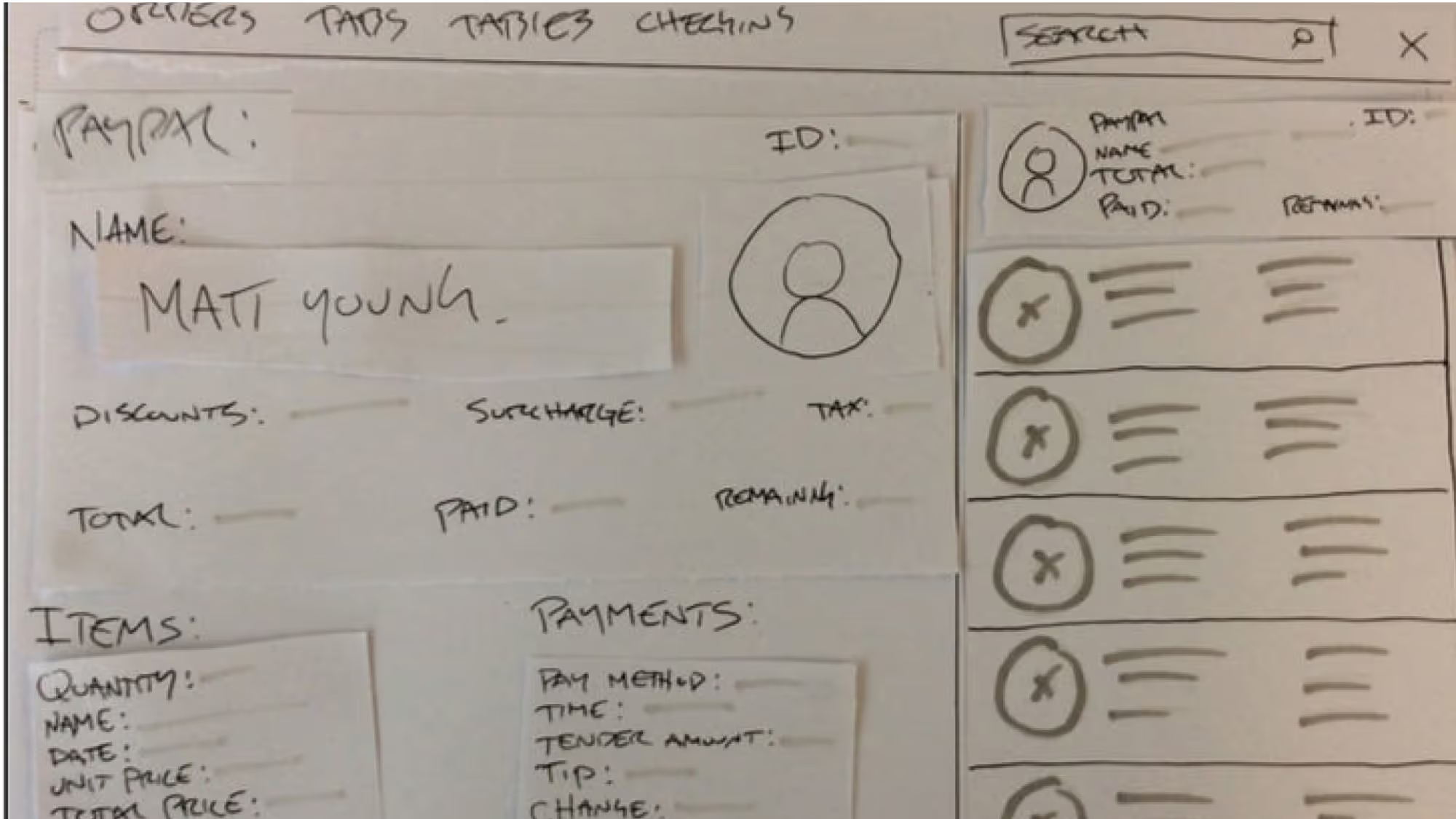
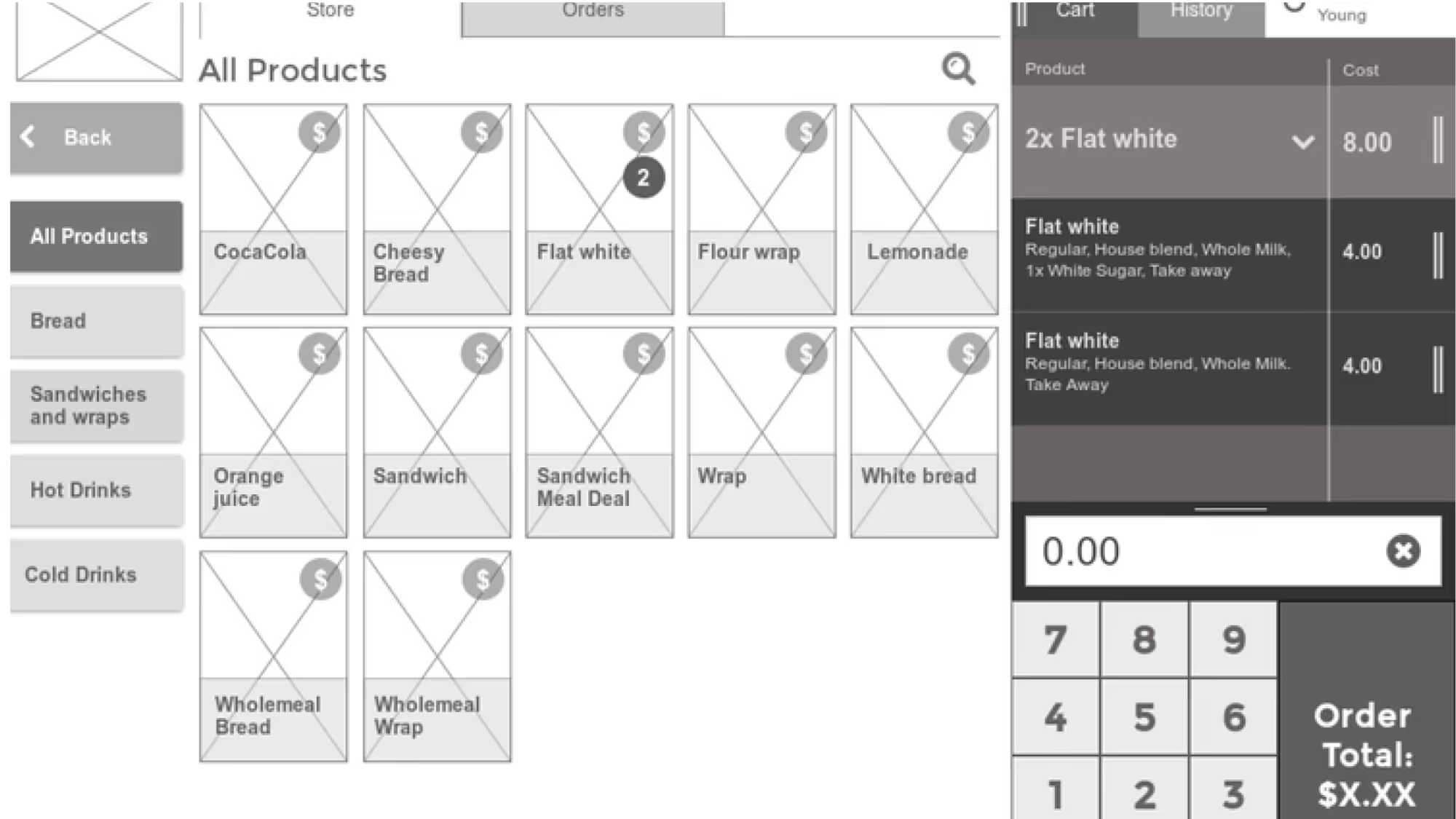
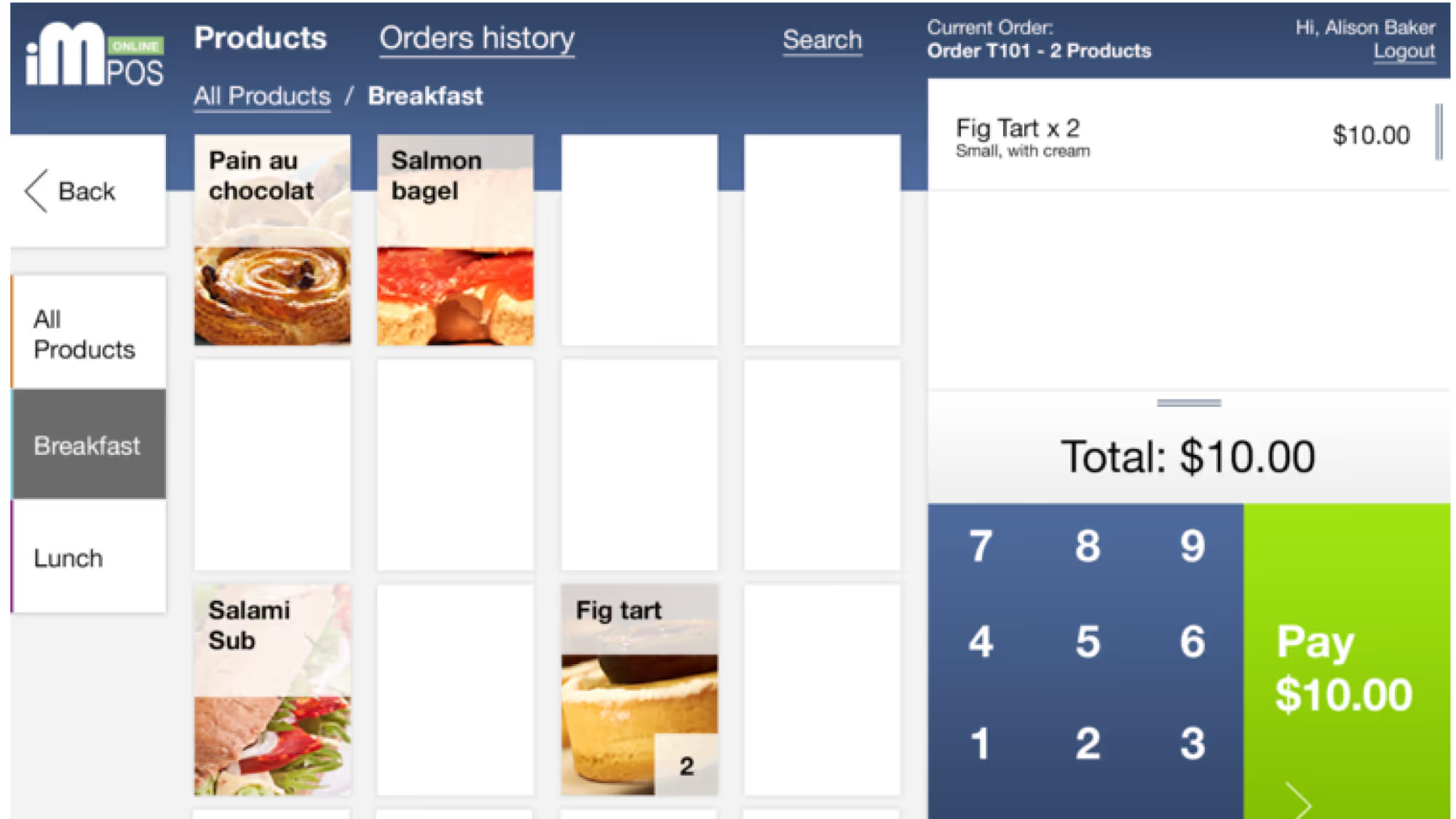
I led the design of a native iPad POS experience focused on:
- Fast order entry optimised for touch and muscle memory.
- Clear visual hierarchy for high-pressure service environments.
- Reliable offline behaviour with seamless sync recovery.
- Modern UI that felt premium and aligned with high-end venue aesthetics.
Strategic Outcome: Birth of Doshii
Research and market signals revealed a growing industry shift: the explosion of third-party delivery platforms like Uber Eats and others. Hospitality venues were struggling to manage multiple tablets and disconnected ordering flows.
This insight directly informed the pivot into Doshii a middleware platform designed to connect delivery platforms directly into POS systems, not just IMPOS but across the broader Australian POS ecosystem.
Doshii enabled:
- Centralised order management across delivery channels.
- Reduced manual re-entry errors.
- Faster service times and improved customer experience.
- A scalable integration layer for the future of digital ordering.
Results
- Accelerated IMPOS’ transition toward modern, software-first POS delivery.
- Validated demand for delivery-platform-to-POS integration across the industry.
- Helped establish the foundation for Doshii as a standalone product.
- Doshii was successfully acquired by Australia's Westpac bank venture arm in 2018.
This work demonstrated how deep service-environment research and design-led strategy can unlock entirely new product directions, moving from device-based POS thinking to ecosystem platform thinking.
Like what you see?
If you're building something meaningful and need a partner, let's work together.